Cuba's water crisis deepens as blackouts disrupt pumping and raise hepatitis A risks
Fuel shortages are undermining water pumping, treatment and delivery on top of longstanding network failures. Available health evidence shows consequences extending beyond the island, while gaps in national data complicate the response.
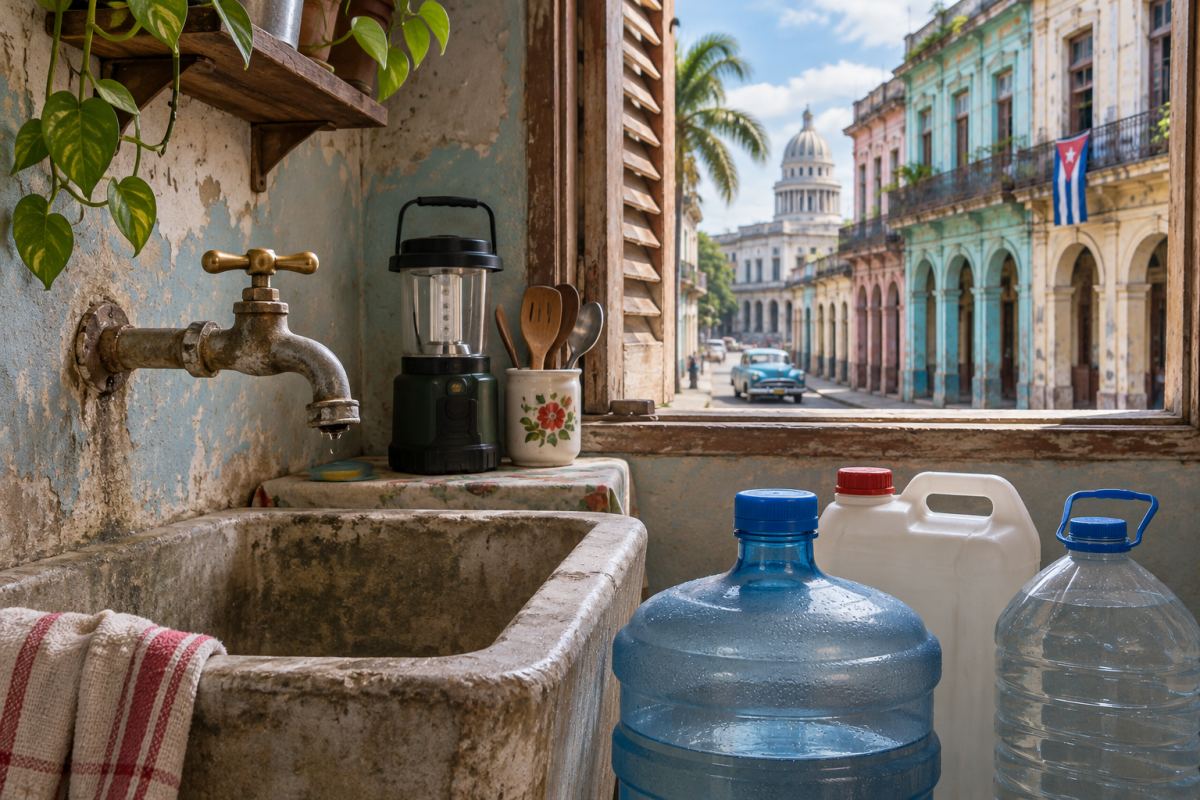
In Cuba, losing electricity can also mean losing running water. Fuel shortages reduce power generation, stop pumping equipment and make deliveries by tanker trucks more difficult. The resulting crisis affects cooking, cleaning and sanitation for millions of people in a country whose aging pipes and recurring equipment failures were already undermining an essential public service.
The health consequences have drawn renewed attention following reports this week about hepatitis and disrupted water supplies. Available evidence includes a US Centers for Disease Control and Prevention investigation of infections associated with Cuba and a humanitarian assessment that warned of connections between energy shortages, failing sanitation and diseases transmitted through contaminated water or food.
US restrictions aimed at Cuba's oil supplies have added pressure to that system. Their effects interact with domestic problems involving infrastructure, maintenance and the capacity to respond. Restoring electricity to an area does not automatically mean every household immediately receives enough safe water, particularly where other parts of the distribution network remain damaged or unreliable.
Millions living with interrupted supplies
National Institute of Water Resources President Antonio Rodríguez acknowledged in early November that network supply problems affected 2,681,770 people, according to official figures reported by Infobae on November 27. That number describes conditions at the time of the announcement. It does not mean all those residents went without water for an identical period.
The reporting attributed 66% of interruptions to power cuts and 25% to failures in pumping equipment. Those proportions help explain how an energy crisis reaches household pipes. Electricity is needed to extract water, lift it and move it through the system. Repair work and sanitation services also depend on transport, staff, materials and fuel.
Tanker deliveries face some of the same constraints because vehicles need fuel and an organized distribution operation. Hospitals, facilities connected with food supplies and other priority services need limited resources. For households, uncertainty about the next delivery means rearranging daily activities and storing water whenever it becomes available, rather than being able to rely on a regular service.
How fuel shortages undermine public health
The humanitarian analysis organization ACAPS described a chain of effects running from fuel scarcity to the interruption of basic services in its April 2026 assessment. It warned that reduced access to adequate water, sanitation and food increased the risk of diarrhea, hepatitis and other illnesses.
The assessment also identified obstacles to moving medical supplies, keeping health facilities operating and collecting waste. It described humanitarian risks and needs whose effects differed by province and infrastructure conditions. A disease identified in a preventive warning is not, by itself, a count of confirmed infections or proof that an outbreak has occurred in every affected area.
The condition of Cuba's distribution networks creates an additional barrier. Leaks, breakdowns and insufficient capacity reduce the amount of pumped water that reaches users. Electricity, functioning equipment and adequate treatment must work together for improvements in the wider system to become a reliable household supply. Progress in one component can be undermined by failures elsewhere.
What the hepatitis cases associated with Cuba show
On September 24, the CDC published a Florida Department of Health investigation covering illnesses that began between June 2024 and February 2026. Among 249 confirmed hepatitis A infections reported in Florida during that period, 76 involved people who had recently traveled to Cuba. Investigators linked three additional cases through genetic or epidemiological evidence.
The outbreak-associated group totaled 79 cases across 13 counties. Approximately 72% of patients with available information were hospitalized, and no deaths were reported. The investigation provides evidence of a health problem reaching beyond Cuba's borders, particularly given the family connections and frequent travel between the island and Florida.
There are important limits to that evidence. The study period began in 2024, before the new oil measures introduced in 2026, and cannot establish that those restrictions caused all the infections. Investigators also said they could not confirm that every infection was acquired in Cuba because some possible exposure periods included time in both countries. The 79 cases are not an estimate of the number of people infected inside Cuba.
Safe water, vaccination and functioning health care
The World Health Organization explains that hepatitis A spreads mainly through the fecal-oral route, including contaminated food or water, and through close contact with an infected person. Sanitation, safe drinking water, hygiene and vaccination are central to prevention. These measures address different routes of infection and depend on services remaining accessible.
Putting them into practice becomes harder when households receive irregular supplies and health facilities also experience disruption. Having a storage container does not resolve questions about the quality of its contents or how safely the water is kept. Protection depends both on dependable water services and on the ability of health authorities to detect and treat infections.
During its Cuba visit, WHO announced $2 million on November 24 for immunization and essential medical equipment. The contribution includes support for vaccinating newborns, children and other groups at risk. The announcement does not identify a campaign devoted exclusively to hepatitis A. WHO said it and the Pan American Health Organization had mobilized more than $14 million through 14 projects during 2025 and 2026.
External pressure and responsibility for public services
The US order issued on January 29 established a mechanism for imposing additional tariffs on products from countries supplying oil to Cuba. The announcement documents the use of fuel supplies as an instrument of political pressure. ACAPS' assessment describes how declining energy availability affects services on which civilians depend.
Cuban authorities also remain responsible for operating and maintaining their networks and providing clear information about their performance. US investigators identified the lack of publicly available detailed national hepatitis surveillance data as a significant gap. Without regular, accessible reporting, it is harder to determine where infections are increasing and whether measures taken in response are working.
Addressing the crisis requires attention to electricity, pumping, distribution and sanitation together. Available evidence shows prolonged disruptions affecting a large population and health risks requiring sustained attention. For households, recovery will ultimately be measured by predictable access to safe water and the ability to use it for cooking, cleaning and daily life without putting their health at risk.