Storm Adam leaves four dead as Valencia and Alicante face an uneven recovery
Oliva is at the center of rescue efforts and accounts for two of the storm's victims. Regional authorities are lifting many stay-at-home restrictions, but damage to homes, roads and farms means the emergency will outlast the rain.
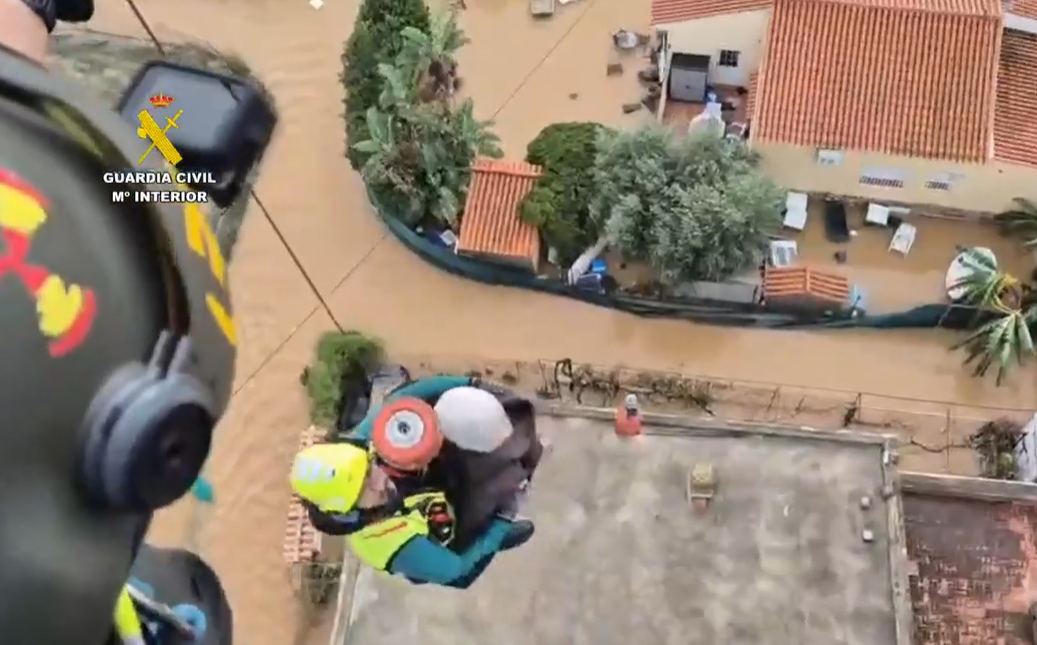
Receding floodwaters are beginning to make movement possible in some areas hit by Storm Adam, a cut-off low-pressure system known in Spain as a DANA. But the emergency is not over. At least four people have died in Spain, three in the Valencia region and one in Catalonia, according to figures reported by EFE on Monday, October 19. Rescues in Oliva and damage across towns in the provinces of Valencia and Alicante continue even as the weather improves. Better conditions do not yet mean a return to normal.
The Valencia regional government lifted many of the stay-at-home restrictions during the afternoon. Its afternoon update left eight municipalities under restrictions, down from an initial 145. The decision allows recovery work to move forward, but some of the towns hardest hit by flooding remain subject to the measures.
The Safor area, in southern Valencia province, and Marina Alta, in northern Alicante province, have suffered extensive damage. Intense, persistent rain has caused waterways to overflow, cut off access routes and forced people to leave homes and campsites. Conditions are not improving everywhere at the same pace.
Rescue efforts focus on Oliva
Two of the deaths reported on Monday occurred in Oliva. Valencia's public broadcaster, À Punt, reported that a woman was found dead on the ground floor of her home during a rescue operation, and that a 64-year-old man died of a heart attack at a campsite. They did not die in the same circumstances, although both deaths are included in the toll from the day's emergency.
The other reported victims were a woman who went missing while swimming off the coast of Sagunto and another swept away by a stream in Cabrera de Mar, in Barcelona province. The circumstances of each case are being addressed by the respective investigators and emergency services. The combined toll should not obscure those differences.
À Punt described a rescue operation involving helicopters from Spain's Military Emergencies Unit, the Civil Guard, firefighters, the maritime rescue service and other agencies helping people who were trapped. Campsites near Oliva's ravines are among the worst-affected locations. Rescuers have prioritized evacuating their occupants and reaching places cut off by floodwater.
Lifting restrictions does not reopen every service
In Marina Alta, Xàbia, Pego and Els Poblets remained under restrictions in the afternoon update reported by Radio Dénia, part of the Cadena SER radio network. Across the affected area, Bellreguard, Oliva, Daimús, Piles and Miramar also remained subject to stay-at-home measures, according to EFE. That list reflects a particular stage of the emergency response and may change as authorities issue new decisions.
Dénia illustrates how much remains to be done after general movement restrictions are lifted. The town council kept municipal facilities closed and activities suspended while inspecting buildings, schools, trees and roads. Being allowed to travel again does not mean that a park, sports facility or previously flooded access road is ready to reopen.
Flooding from the Girona River has hit Els Poblets and El Verger. Local reporting describes damage to homes, shops and streets, as well as vehicles swept away. Inspections and debris removal are part of a recovery that will continue long after the rain stops making headlines.
Extraordinary rainfall, measured over two days
Radio Dénia cited figures from the Valencia Meteorological Association showing 720 millimeters of rain (720 liters per square meter) over 48 hours at the Forna weather station in l'Atzúbia. That is a two-day total at a specific location, not an hourly rainfall rate or a figure for the entire Valencia region.
The distinction helps explain the event without overstating it. Alongside the volume of rain, the characteristics of waterways, ravines and low-lying ground determine where water flows and accumulates. Weather warnings and civil protection decisions address related risks, but they serve different purposes.
Spain's meteorological agency, Aemet, said the most critical phase of the storm had passed, although conditions remained adverse, according to EFE. The afternoon assessment continued to highlight the risk of heavy rain in Catalonia. A forecast of more settled weather later does not bring rescue or cleanup work to an end in areas already flooded.
The economic damage begins to emerge
The storm's effects have also reached Andalusia. Europa Press reported an initial damage estimate of more than €5 million in El Ejido, in Almería province, with around 100 hectares of greenhouses affected. The town council stressed that these were provisional calculations, pending a fuller assessment on the ground.
Water and mud entered farms in the municipality, while roads, public buildings and businesses also suffered damage. The local estimate does not cover all of Andalusia or all the losses caused by Adam. Instead, it shows a side of the emergency that will become clearer as technical teams gain access to affected facilities.
The day ends with two developments unfolding at once: some routes are reopening and restrictions are being lifted, while other communities still need rescues, inspections and support services. For those affected, recovery will mean more than an end to the rain. It will mean being able to return safely to a home, a road or a workplace still bearing the storm's damage.