Eat See TV toured Madrid showing its most emblematic and secret corners: from the Royal Palace and unmissable museums to local markets, traditional dishes and unforgettable sunsets. An experiential and authentic guide to discover the city in depth.
Eat See TV in Madrid: an authentic experience in the Spanish capital
For several days, the Eat See TV channel explored Madrid from a close and experiential perspective. Beyond the tourist classics, they discovered hidden markets, traditional flavors, historic green spaces and unique corners that do not always appear in the guidebooks.
The journey began in Plaza Callao, one of the busiest areas of the city, full of screens, pedestrians and energy. From there they moved along Gran Vía, Madrid's commercial and cultural hub, until they reached the historic Plaza Mayor, inaugurated in 1620 and the scene of public events, from festivals to executions in centuries past.
While many travelers visit the Mercado de San Miguel, Eat See TV opted for more local alternatives such as the Mercado de Vallahermosa, in the north of the city. There they tried innovative dishes such as cherry salmorejo with green apple and prawn prawn brioche, in a modern and less touristy atmosphere.
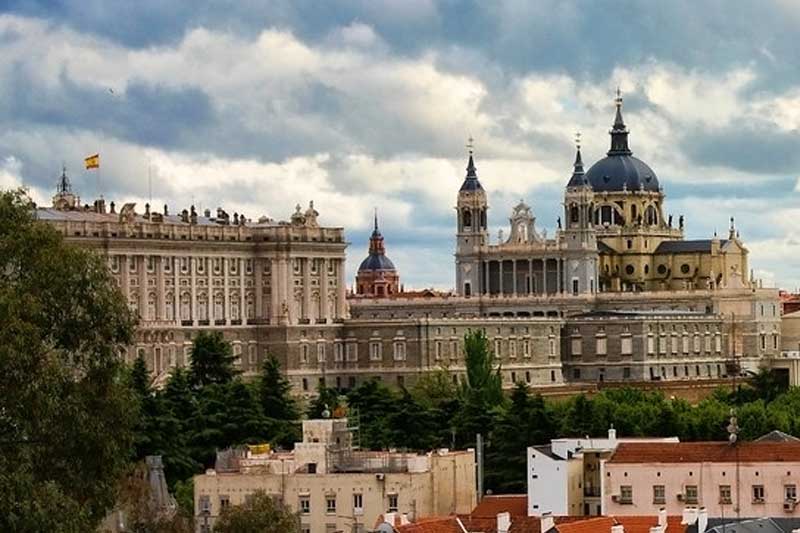
One of the most impressive spots was the Madrid Royal Palace, with more than 3,500 rooms, several subway levels and architecture that combines baroque and neoclassical. Although the kings have not resided there since 1931, the place retains its original splendor and serves for official functions.
They then visited the Museo del Prado, which houses works by Goya, Velázquez and El Bosco, and the Museo Reina Sofía, home to iconic pieces by Picasso, Dalí and Miró. Both museums reflect the artistic soul of Madrid and its enormous cultural wealth.
Gastronomy was one of the pillars of this experience. Eat See TV enjoyed the traditional cocido madrileño, a stew of chickpeas, meat, black pudding, vegetables and chorizo cooked for five hours in clay pots. They also tried lechazo (suckling lamb) and the famous cochopo asturiano, steaks stuffed with ham and cheese, breaded and fried, in a traditional restaurant recommended by a local.
Tapas, vermouth, black pudding with rice, and croquettes with original flavors such as blue cheese and dried tomato were not lacking.
At the traditional Chocolatería San Ginés, founded in 1894, they tasted the classic churros with hot chocolate, an iconic delicacy of the city. Recommendation: go early to avoid the long lines.
The Parque del Retiro was a favorite of the trip. Former private garden of King Philip IV, this urban lung offers ponds, sculptures, fountains, rose gardens and tranquility in the middle of the city. Ideal for a picnic, yoga or simply to disconnect from the concrete.
One of the most magical moments was the sunset at the Temple of Debod, an Egyptian monument from the second century BC rebuilt stone by stone in the center of Madrid. From there, they contemplated unique panoramic views of the city and learned about its history: the site was the scene of the uprising against Napoleon's troops in 1808 and the beginning of the Spanish Civil War in 1936.
The experience wouldn't be complete without an authentic tapas route. They toured the famous Cava Baja street, visiting bars such as:
The tapeo madrileño is an experience in itself: going from bar to bar, tasting the best tapas from each locale, accompanied by a drink, is the most authentic way to savor the city and its culture.
Translated with DeepL.com (free version)

