

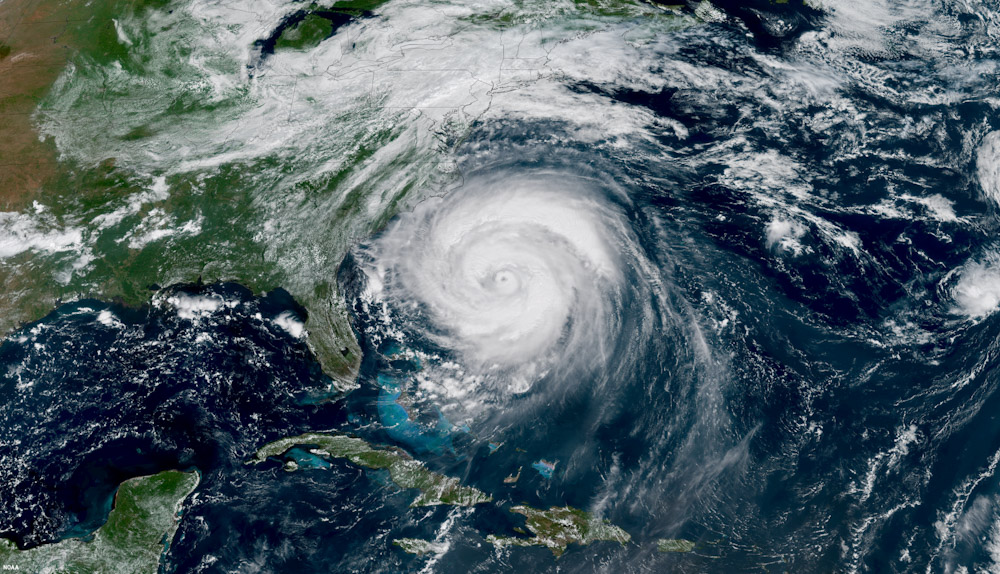
The 2026 Atlantic hurricane season is expected to produce activity below the historical average. According to the official outlook, there is a greater chance of a below-normal season, although the risk to coastal communities remains real.
The forecast calls for 8 to 14 named storms. Of those, 3 to 6 could become hurricanes, and 1 to 3 may reach major hurricane strength, meaning Category 3, 4, or 5 systems capable of producing significant damage.
The Atlantic hurricane season officially begins on June 1 and ends on November 30. Even if the number of storms is lower than in other recent years, officials emphasize that a less active season should not be understood as a safe season.
One of the main factors behind this outlook is the expected development of El Niño. This climate pattern often increases upper-level wind shear over the Atlantic, making it harder for tropical storms to organize and limiting the ability of cyclones to intensify.
In terms of probability, the outlook points to a 55% chance of below-normal activity, a 35% chance of near-normal activity, and only a 10% chance of above-normal activity. Because seasonal forecasts still involve uncertainty, monitoring must continue throughout the entire season.
The central warning is clear: it only takes one storm to cause flooding, storm surge, structural damage, power outages, and major economic losses. History has shown that the impact of a season does not depend only on how many cyclones form, but on where they strike and how strong they are when they do.
Vulnerable areas across the Caribbean, Florida, the Gulf of Mexico, and the U.S. East Coast should prepare family and community emergency plans in advance. This includes reviewing evacuation routes, protecting important documents, securing homes, storing basic supplies, and following official alerts when a tropical threat develops.
A quieter season in terms of numbers may bring some relief, but it does not remove the danger. Preparedness remains the most effective tool to reduce damage and save lives before a storm becomes an emergency.